The Rise of Unique, Authentic Properties: Why Boutique Hotels Are Winning in 2026
In 2026, one of the clearest signals coming from travelers is a growing rejection of sameness. Guests are no longer inspired by predictable layouts, identical lobbies, or interchangeable experiences. Instead, they are actively seeking hotels with personality, story, and a strong sense of identity. This shift has positioned boutique and independent hotels as some of the most desirable options in today’s hospitality landscape.
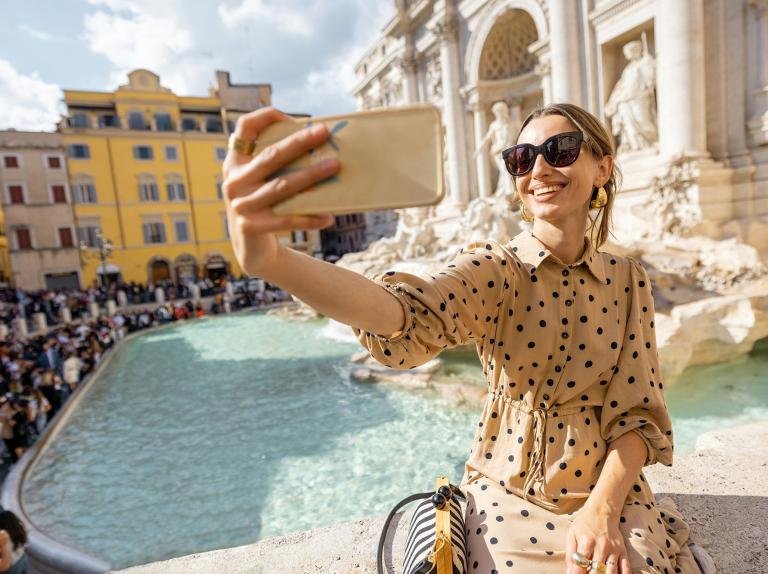
Travelers today want more than comfort—they want connection. They want to feel immersed in the destination the moment they arrive. Boutique hotels excel in this space because they are often designed with intention, reflecting local culture, architecture, history, and creativity. From regionally inspired interiors to locally sourced amenities and cuisine, these properties offer an experience that cannot be replicated across cities or countries.
Social media has amplified this demand. Guests increasingly choose hotels that feel distinctive, photogenic, and memorable, not because of luxury labels, but because the property tells a story worth sharing. A unique hotel becomes part of the travel narrative—something guests talk about long after checkout. In contrast, standardized experiences fade quickly from memory, no matter how polished they may be.
This trend is especially strong among millennials and Gen Z travelers, who prioritize authenticity and individuality over traditional definitions of luxury. For these guests, staying in a hotel that reflects the character of a neighborhood or destination is a form of discovery. It signals alignment with their values: originality, creativity, and meaningful experiences. Independent hotels often resonate more deeply with these travelers because they feel curated rather than corporate.
Another driver behind the desire for unique properties is emotional engagement. Guests want to feel something when they travel—curiosity, inspiration, nostalgia, or surprise. Boutique hotels are better positioned to create these emotional moments through thoughtful design, personalized service, and intentional storytelling. Each stay feels less like a transaction and more like an experience crafted just for them.
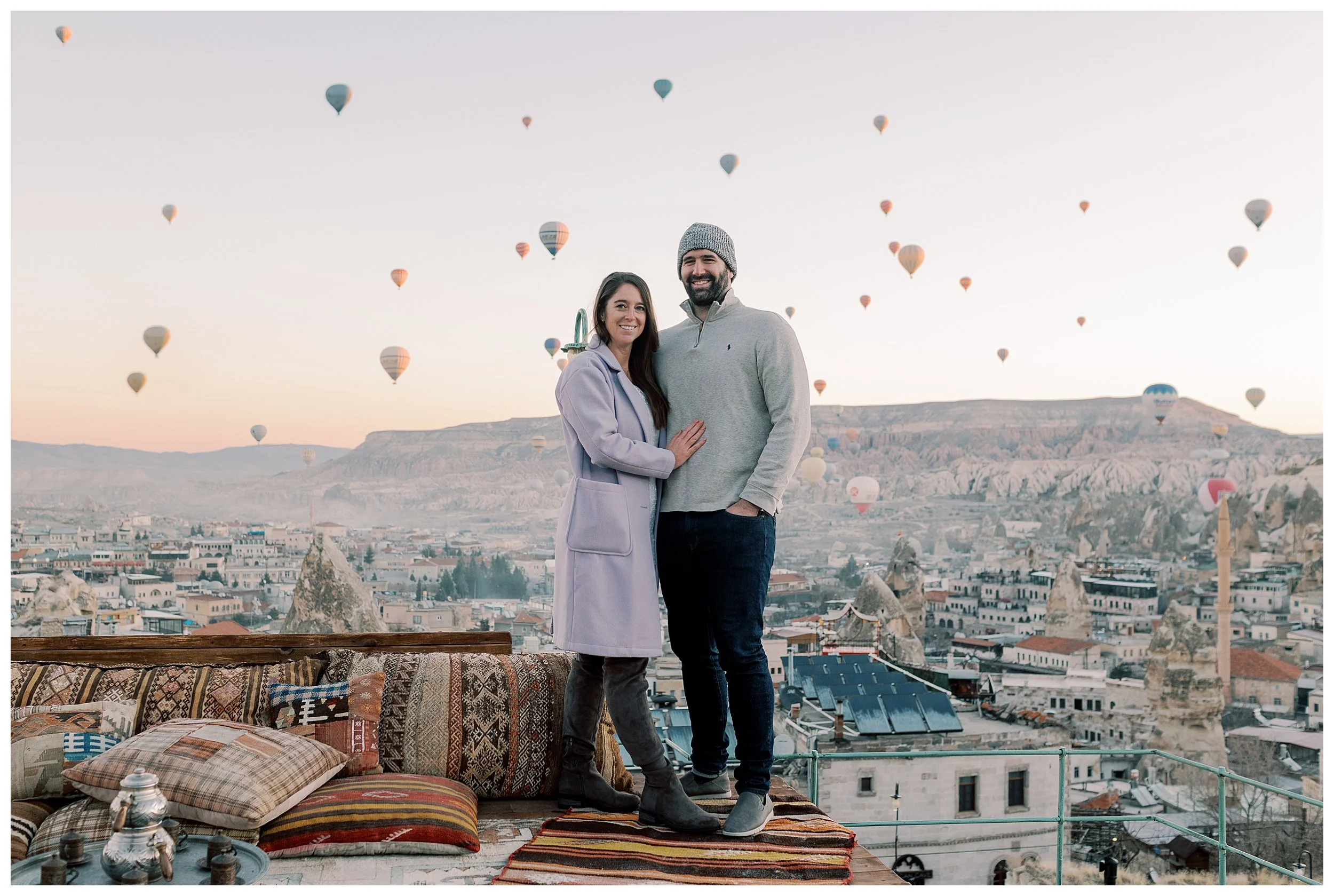
From an operational standpoint, authenticity also creates a powerful competitive advantage. Independent hotels are not bound by rigid brand standards, allowing them to evolve alongside guest expectations. They can experiment with design, programming, partnerships, and guest experiences quickly and creatively. This flexibility enables them to stay culturally relevant in a rapidly changing market.
In 2026, authenticity is no longer a niche preference—it is a mainstream expectation. Travelers are choosing hotels that feel rooted, human, and real. Boutique and independent hotels that embrace their individuality, celebrate their location, and tell their story clearly are not just keeping pace with the industry—they are leading it.
As hospitality continues to shift toward experience-driven travel, the message is clear: being different is no longer a risk. It’s the strategy.